


Boosting conversion rates is a top priority for any e-commerce business. It’s the key to turning visitors into customers and driving sales.
For Shopify store owners, strategic customization can be a game-changer. It can enhance user experience, build trust, and ultimately, increase conversions. This article will guide you through the process. It will provide actionable tips and insights into optimizing various aspects of your Shopify store, from product pages to store setup and theme customization. We’ve got you covered.
Our goal is to help you create a Shopify store that not only looks great but also performs exceptionally. A store that resonates with your audience and encourages them to make a purchase.
So, whether you’re a business owner, a digital marketer, or a web developer, this guide is for you. Let’s dive in and explore how to boost conversion rates through strategic Shopify customization. For more on customizing Shopify for brand identity, see our guide on Unlocking the Power of Shopify Theme Customization for a Unique Brand Identity.
 by Matt Chen (https://unsplash.com/@mattchen089)
Understanding the Importance of Conversion Rates for Your Shopify Store
Conversion rates are crucial metrics for any online store. They reveal how well your site turns visitors into paying customers. A higher conversion rate means increased sales and revenue without needing more traffic.
Understanding conversion rates helps identify strengths and weaknesses. It allows you to focus on areas that need improvement. This, in turn, enhances user experience and boosts sales.
Improving conversion rates is often more cost-effective than acquiring new visitors. It’s about maximizing existing traffic. This approach optimizes ROI and uses resources wisely.
Conversion rates provide insights into customer behavior. They tell you what works and what doesn’t. By closely monitoring these rates, you can adjust strategies for better outcomes.
Here are a few key factors affecting conversion rates:
- User experience and site navigation
- Product presentation and descriptions
- Trust signals and social proof
Focusing on these aspects of your Shopify store can lead to significant improvements in conversion rates. Learn more about these strategies in our Ultimate Guide to Choosing the Right E-commerce Theme for High Conversion.
 by m. (https://unsplash.com/@m_____me)
The Role of Shopify Customization in Conversion Optimization
Shopify customization plays a pivotal role in conversion optimization. Tailoring your store to align with your brand and audience needs can make a significant difference. It provides an edge over generic templates.
Customization allows you to personalize user experiences. From customized themes to personalized products, every detail can enhance engagement. This helps in creating a memorable shopping experience.
Unique customizations can improve site aesthetics and functionality. For instance, custom themes can help convey brand identity and uniqueness. Meanwhile, functional upgrades enhance usability and efficiency.
Consider the following customization avenues:
- Visual design: Tailor color schemes and layouts.
- Functional enhancements: Customize menus and navigation.
- Engagement tools: Integrate apps for live chat and reviews.
For advanced tips on integrating features that enhance store functionality, check our guide on Integrating Advanced Features into Your Shopify Store.
by%20Roberto%20Cortese%20(https://unsplash.com/@robertocortese)
Strategic customizations on Shopify lead to higher customer satisfaction and loyalty. Happy customers are more likely to return and recommend your store. This fosters trust and drives conversions.
By investing in Shopify customization, you focus on delivering a brand-consistent and user-friendly experience. It’s a proven strategy for converting browsers into buyers.
Key Areas for Shopify Customization
Focusing on key areas for Shopify customization is essential for enhancing your store’s performance. First, prioritize the product pages. These are critical touchpoints where potential buyers make decisions.
Next, consider your store’s setup and navigation. A well-organized layout ensures users find what they need without hassle. Ease of navigation reduces bounce rates and keeps customers engaged.
Invest in theme customization services for a unique brand identity. A tailored theme can distinguish your brand from competitors. It supports both aesthetic and functional upgrades, crucial for long-term growth.
For advanced tips on integrating features that enhance store functionality, check our guide on Integrating Advanced Features into Your Shopify Store.
 by Roberto Cortese (https://unsplash.com/@robertocortese)”
Shopify Product Page Customization
Shopify product page customization is vital for conversion rate optimization. Every element on the product page can influence buying decisions, from images to descriptions. A well-crafted page can significantly boost engagement.
Begin with high-quality images. Clear, detailed photos can entice potential customers. Consider using product videos for a more comprehensive view. This helps shoppers visualize the product better.
Customer reviews play a crucial role. Display them prominently on product pages for potential buyers to see. Reviews build trust and credibility, crucial for closing sales.
Other crucial elements include:
- Product descriptions: Keep them concise and highlight key features.
- Pricing: Ensure transparency and display any applicable discounts.
 by Curology (https://unsplash.com/@curology)
Utilize A/B testing to refine product pages. Test different layouts, images, and CTAs to find the most effective ones. Data-driven decisions lead to higher conversion rates.
Incorporate upselling and cross-selling on product pages. Suggest related items to increase order value. It’s a simple yet effective strategy for maximizing sales.
Customizing product pages can also enhance personalization. By tailoring content based on user behavior, you create a more relevant shopping experience. Personalization fosters customer loyalty and repeat purchases.
 by Devin Avery (https://unsplash.com/@devintavery)
Finally, don’t forget mobile optimization. Product pages should be responsive and fast-loading on mobile devices. In today’s mobile-first world, responsiveness is key to retaining customers.
Shopify Store Setup and Navigation
A seamless Shopify store setup can make or break user experience. Ensure that your store is easy to navigate, as complexity often leads to lost sales. An intuitive setup fosters a smooth shopping journey.
Start with a logical categorization of products. This helps customers find what they’re looking for quickly. Well-structured categories and tags improve the overall shopping experience.
Effective navigation involves:
- Clear menus: Utilize drop-downs for easy access to various sections.
- Search functionality: Enable a robust search bar to assist users.
Ensure your store is fast and mobile-friendly. Slow load times can lead to high bounce rates. Speed optimization is crucial for capturing and maintaining user interest.
 by Mike Petrucci (https://unsplash.com/@mikepetrucci)
Incorporate breadcrumbs to help users trace back their steps. This simplifies complex shopping paths. It also enhances the overall shopping flow.
Remember, the ultimate goal is to guide visitors to conversion points seamlessly. Each click should lead them closer to making a purchase. A strategic store setup minimizes friction along this journey.
Shopify Theme Customization Services
Investing in Shopify theme customization services can elevate your store’s brand identity. A customized theme can significantly impact a visitor’s first impression. It ensures your store looks professional and aligns with your brand.
Themes can be customized to reflect your unique style. Whether it’s color schemes, font choices, or layout designs, the possibilities are vast. An appealing design keeps customers engaged longer.
Consider working with professionals for:
- Design enhancements: Unique visual elements that cater to your brand.
- Functional improvements: Tailor-made features that improve usability.
 by thom masat (https://unsplash.com/@tomterifx)
A well-designed theme supports easy navigation and an intuitive user journey. It ensures customers can find what they’re looking for with minimal effort. This enhances the shopping experience and boosts satisfaction.
Custom themes also play a role in performance optimization. They can be more efficient compared to off-the-shelf themes. Enhanced performance reduces bounce rates and supports better SEO.
Consider ongoing updates and maintenance for theme longevity. This ensures that your theme remains compatible with Shopify’s latest features. Regular maintenance helps to prevent potential issues.
 by Museums Victoria (https://unsplash.com/@museumsvictoria)
Ultimately, theme customization is an investment in your store’s future success. It differentiates you from competitors while providing a tailored experience for users.
Enhancing User Experience for Higher Conversion Rates
Improving user experience is vital for boosting Shopify conversion rates. A positive experience encourages users to stay longer and explore more. It increases the likelihood of completing purchases.
Clear design and simple navigation are at the heart of good user experience. Users should feel confident navigating your store. Quick access to products and information is key to retaining interest.
Addressing user pain points is crucial. Whether it’s slow loading times or cluttered layouts, resolve issues promptly. Enhancing user experience involves continuous optimization and attention to detail.
 by Uriel Soberanes (https://unsplash.com/@soberanes)”
High-Quality Images and Videos
Visuals significantly influence consumer decisions. High-quality images show off your products’ best features. Each image should be clear, well-lit, and accurately represent the item.
Videos offer an engaging way to showcase products. They can demonstrate functionality, size, and other unique aspects. Including videos enhances the shopping experience by providing a comprehensive view.
Invest in both high-resolution images and informative videos. These elements work together to attract and educate potential buyers. They foster trust and confidence, crucial for encouraging conversions.
Mobile Responsiveness and Speed Optimization
Today’s consumers frequently browse and shop using mobile devices. Ensuring mobile responsiveness is thus paramount. A mobile-friendly store smoothly adapts to various screen sizes.
Speed optimization is equally important. Sluggish websites deter users and drive them away. Every second of delay decreases potential conversions significantly.
Utilize streamlined designs that load quickly. Minimize heavy graphics and unnecessary scripts to enhance speed. Fast-loading pages keep users engaged and less likely to abandon their carts.

Regular testing on different devices is essential. It helps identify and resolve any mobile issues promptly. A well-optimized mobile experience reflects positively on your brand.
Clear and Strong Calls-to-Action (CTAs)
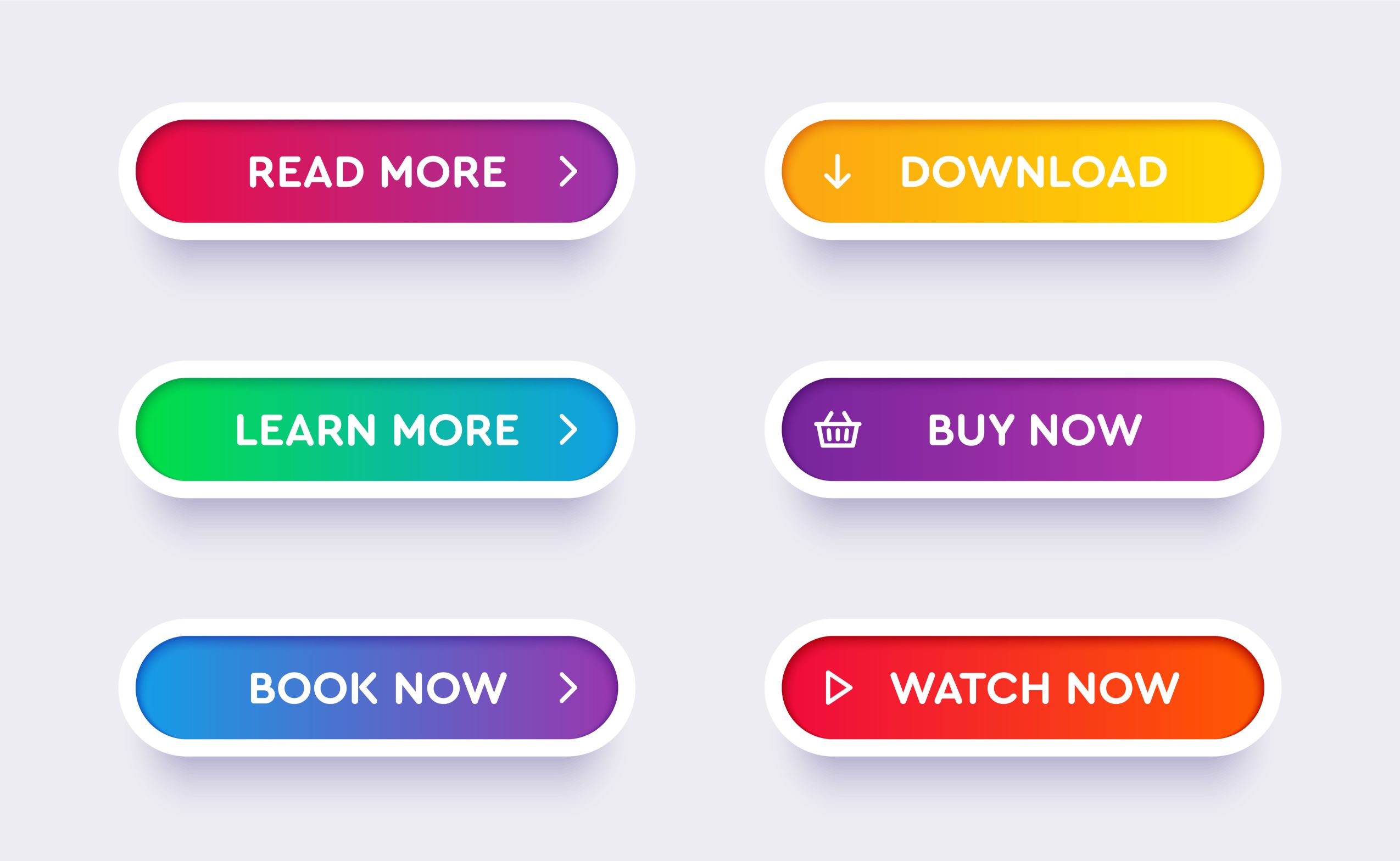
Effective CTAs guide users towards taking desired actions. Clear, compelling CTAs make it easy for customers to proceed to the next step. They play a significant role in the decision-making process.
Ensure your CTAs are prominent and stand out visually. Use contrast and strategic placement to draw attention. The message should be straightforward yet powerful—something that encourages action.
Review and test different CTA phrasing and designs. Analyze performance to understand which ones convert best. Well-crafted CTAs simplify the path to conversion, enhancing overall sales.
Leveraging Social Proof and Reviews
Social proof is a potent tool for influencing purchase decisions. Customers trust reviews from other users. They provide authenticity and reassurance about your products.
Displaying customer reviews prominently on product pages builds trust. Highlight positive experiences and testimonials. They offer compelling reasons for potential buyers to choose your store.
Encourage satisfied customers to leave reviews. Make the process easy and user-friendly. Engaging with reviews, whether positive or negative, shows that you care.
Interactive elements like star ratings or customer photos can enhance credibility. Potential customers get a better sense of your product’s quality. This transparency can significantly increase conversion rates.

Consider integrating social media endorsements as well. These add another layer of trust. Social proof, through reviews and other means, helps solidify your store’s reputation and appeal.
Streamlining the Checkout Process
An uncomplicated checkout process can greatly boost conversions. Customers seek ease and efficiency during purchase. Complicated procedures can lead to cart abandonment.
Ensure your checkout process is simple and intuitive. Minimize the number of steps required. Offer a guest checkout option for those hesitant to create accounts.
A clean and streamlined design helps reduce friction. Highlight progress through each checkout stage. Customers appreciate seeing how much is left to complete the purchase.
Multiple payment options can also enhance the buying experience. Catering to customer preferences increases the likelihood of conversion. Trust seals and security assurances further reassure buyers.
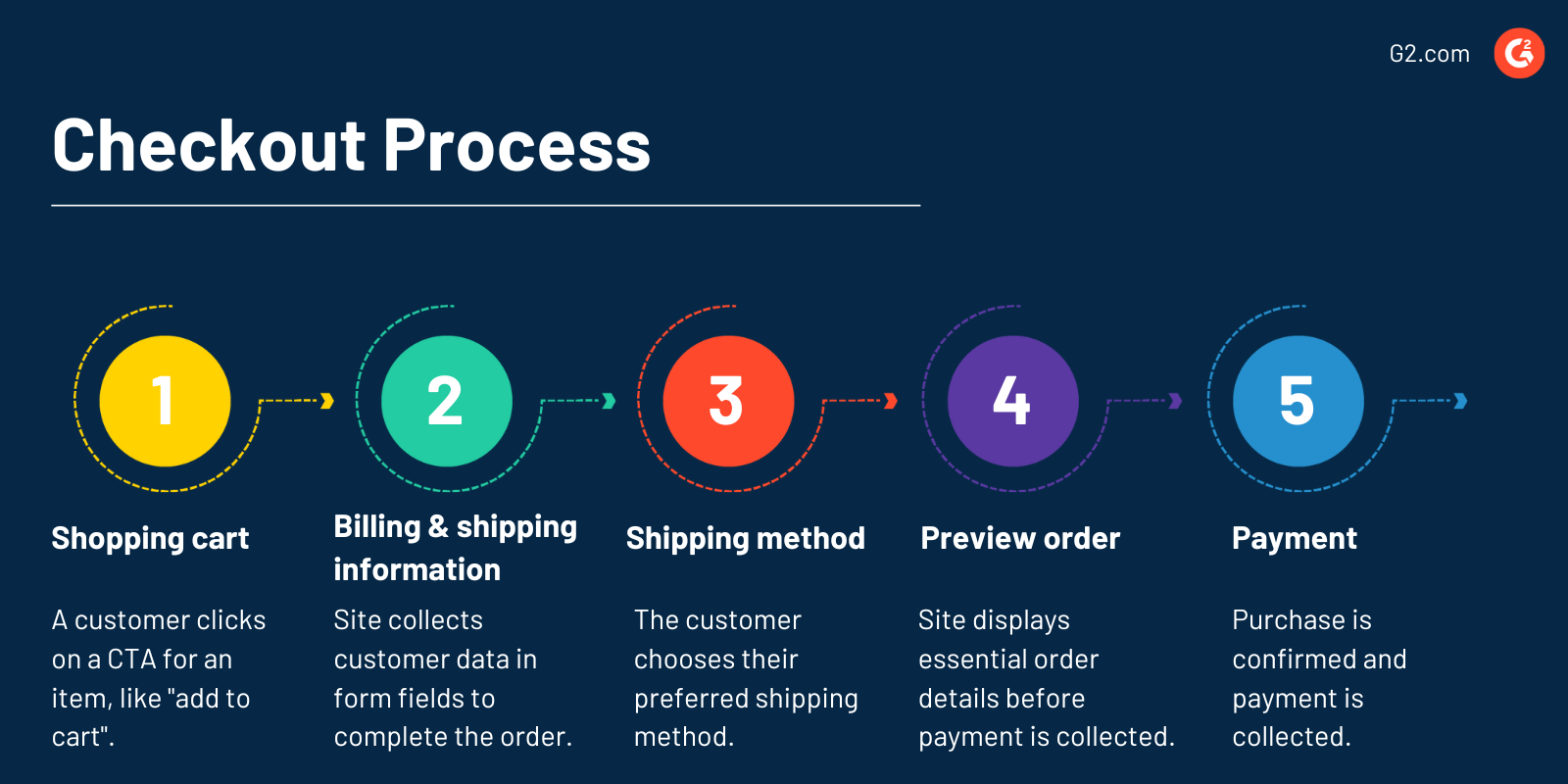
Finally, consider autofill and address verification features. They quicken the process and lower input errors. By streamlining checkout, you create a seamless path from interest to purchase.
Utilizing A/B Testing for Continuous Improvement
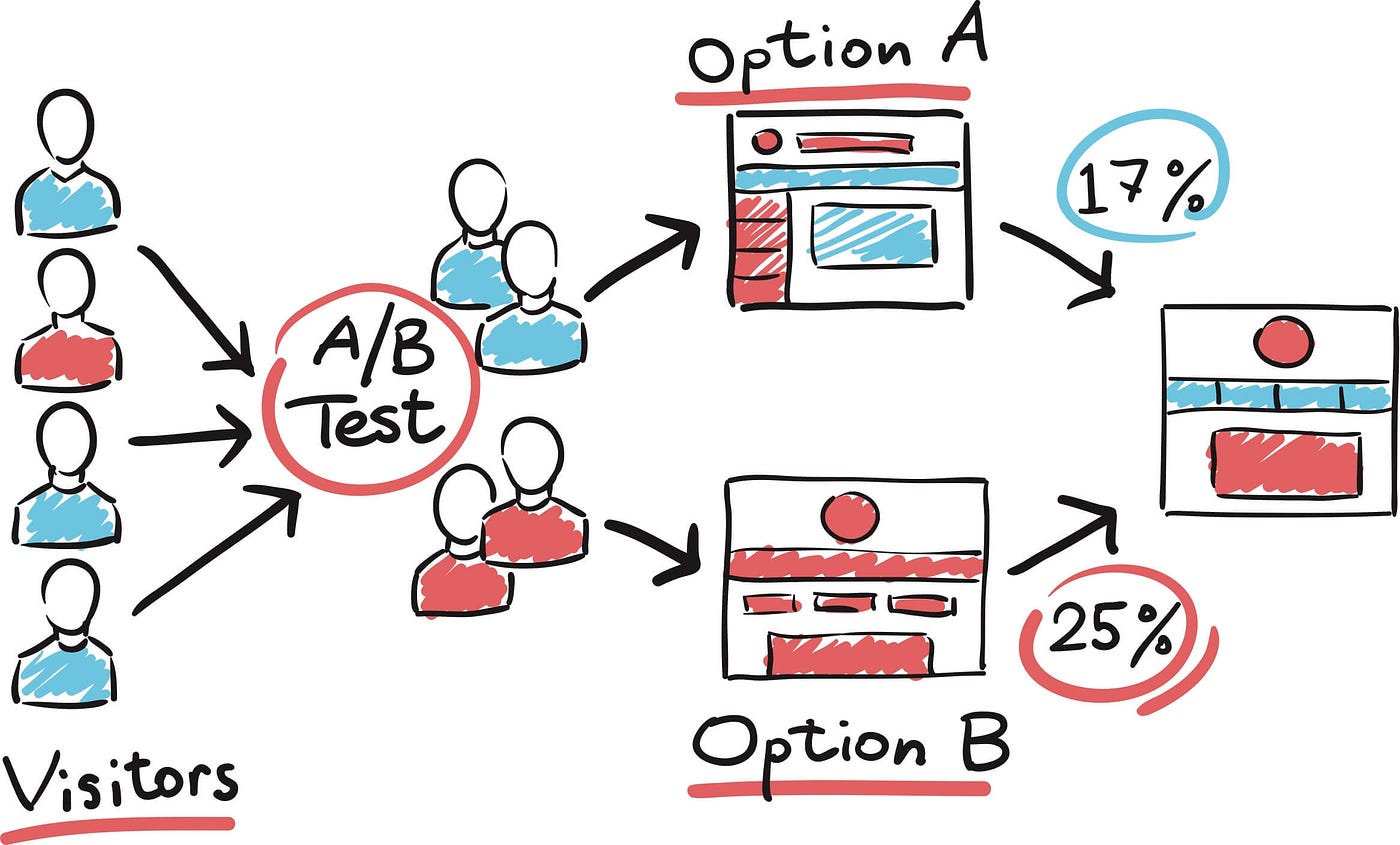
A/B testing is a powerful method to fine-tune your Shopify store. It allows you to test different versions of a webpage. This helps identify which elements perform best.
Start by selecting a specific aspect to test, like a product page headline. Change one element while keeping others constant. This approach isolates variables and delivers clear insights.
Measure the performance of each variation based on specific metrics. These could be click-through rates or conversions. Analyze the data to determine what resonates with your audience.
Implement changes based on the findings for continuous improvement. Regular A/B testing keeps your store optimized. It also helps adapt to changing customer preferences over time.
Remember that A/B testing is an ongoing process. Regular assessments yield the most benefit. By continually experimenting, you ensure your store remains effective and engaging.
The Impact of Personalization on Conversion Rates
Personalization can significantly affect conversion rates on your Shopify store. Customers expect tailored experiences that meet their unique needs. Implementing personalization strategies can lead to increased engagement and sales.
Start by leveraging customer data to create personalized product recommendations. Use browsing history and past purchases to tailor suggestions. This approach ensures customers see products they’re more likely to buy.
Customization extends beyond product suggestions. Consider personalizing email marketing campaigns. Sending targeted messages based on customer behavior boosts open rates and conversions.
Interactive elements like quizzes can also add a personal touch. They help guide customers toward products that match their specific preferences. Quizzes offer value and lead to higher satisfaction.
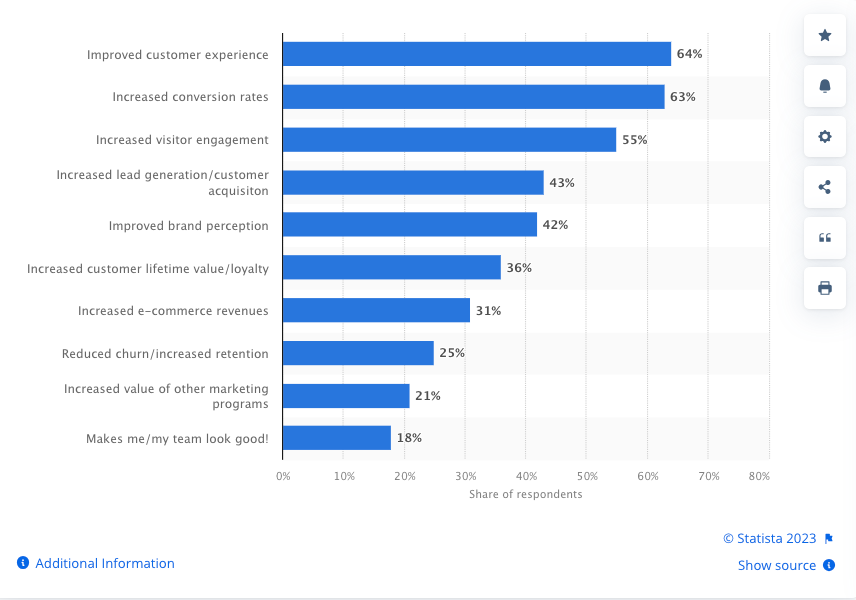
Overall, personalization not only increases conversion rates but also builds stronger relationships. Personalized experiences foster customer loyalty and drive repeat business. Integrate personalization to stay competitive and meet consumer expectations.
Advanced Shopify Customization Techniques
Advanced Shopify customization can truly set your store apart. It enhances functionality and offers a unique shopping experience. Implementing these strategies can lead to noticeable conversion boosts.
One powerful technique is refining your site’s search functionality. An efficient search function helps users find products quickly. This feature reduces frustration and keeps customers engaged.
Enhance your customization further by optimizing site navigation. A well-structured menu improves usability. Easy navigation leads customers to purchase more products.
Consider integrating automated cart abandonment solutions. These remind customers of forgotten items, increasing chances of cart recovery. You transform potential losses into sales opportunities.
With these advanced techniques, you improve user experience and increase conversions. Stay competitive by continuously exploring new options. The more you customize, the greater your store’s potential.
Upselling and Cross-Selling on Product Pages
Upselling and cross-selling can drive your revenue significantly. These techniques boost average order value on product pages. Suggest complementary products or higher-end options to customers.
Place recommendations strategically on your product pages. Relevant suggestions can entice customers to add more items. Showcase how these additions enhance the primary purchase.
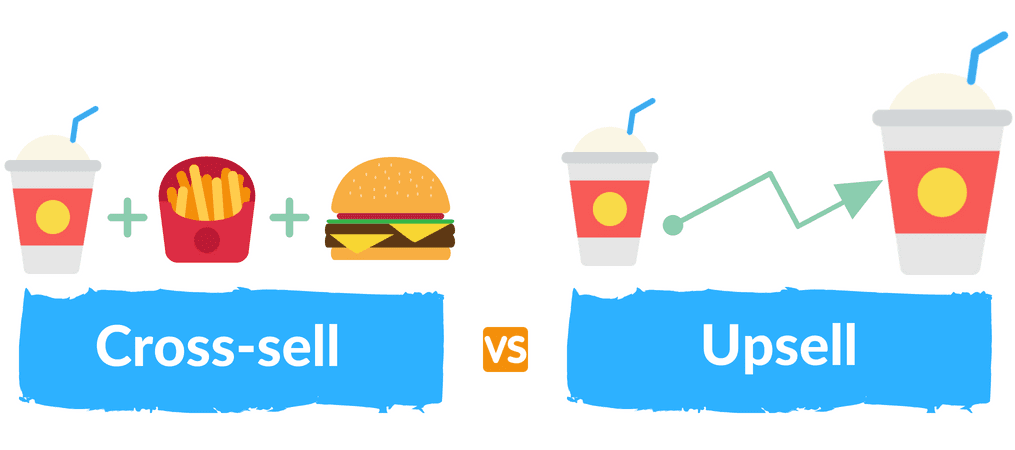
Consider using data analytics to personalize these recommendations. Tailored suggestions increase the likelihood of acceptance. Data-driven decisions enhance your cross-selling effectiveness.
Integrating Live Chat and Customer Support
Live chat integration offers immediate support to customers. This feature can resolve queries quickly, enhancing user satisfaction. Customers appreciate instant answers to their questions.
Position the chat feature prominently on your site. Make it easy for users to access assistance when needed. Providing excellent support increases trust and conversion rates.

In addition to chat, ensure strong customer support channels. Offer multiple contact methods for convenience. Responsive support keeps customers happy and boosts conversion probabilities.
Implementing Loyalty Programs
Loyalty programs incentivize repeat business and deepen customer relationships. They reward customers for their purchases, fostering brand loyalty. Implementing such programs encourages repeat visits and sales.
Design a program that aligns with your brand and customer base. Consider offering discounts, points, or special perks. Tailor rewards to stimulate ongoing engagement.

Promote your loyalty program visibly on your store. Ensure customers know about the benefits of joining. A well-communicated program drives participation and boosts conversions.
Monitoring and Analytics for Data-Driven Decisions
Data is a powerful ally in optimizing your Shopify store. By leveraging analytics, you can make informed decisions that enhance performance. Monitoring key metrics is essential for identifying areas of improvement.
Start by setting up Google Analytics for your Shopify store. This tool provides valuable insights into visitor behavior. Track metrics such as bounce rate, session duration, and conversion rate.
Regularly review your Shopify store’s dashboard. Use built-in analytics to understand sales trends and customer demographics. These insights help tailor strategies to target your audience more effectively.

Don’t underestimate the value of A/B testing. This method allows you to test changes before full implementation. Data from tests guides you in refining store elements for better outcomes.
Conclusion: Maximizing ROI with Strategic Shopify Customization
Shopify customization offers enormous potential for boosting conversion rates. By strategically implementing customizations, businesses can effectively enhance user experience. This leads directly to higher conversion rates and increased sales.
Each aspect of your store, from page layout to checkout, contributes to overall performance. Prioritizing user-friendly interfaces and personalization helps in capturing customer interest. Consistent monitoring and adaptation ensure ongoing optimization of your store.
Investing time in thoughtful customization can significantly impact return on investment. For e-commerce success, continue refining and adjusting your strategies. With a focus on customer needs, your Shopify store can thrive in a competitive market.